Connecting minds and machines: discover Neuralink brain chips
The company has already received approval for human trials. Could a cure for paralysis be near?
Advertisements
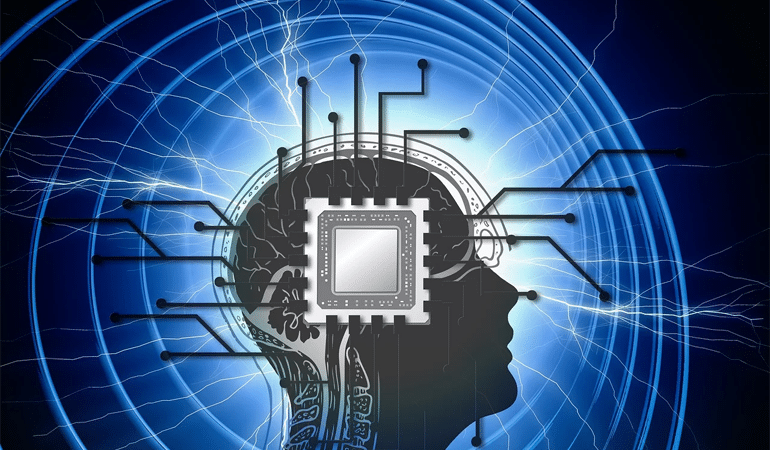
More and more, we are witnessing the cinematic imagination becoming reality. Once again, he arrives with yet another innovation. Billionaire Elon Musk and his company Neuralink are developing brain chips.
And of course, another film could not be the inspiration for the owner of SpaceX. The award-winning film by the Wachowski sisters, Matrix, is behind the creation of brain chips. Ok, but what is the purpose of these innovative devices? That's what we're going to find out. Come with us!
Inside Neuralink
Neuralink is a company founded by Elon Musk that aims to create advanced brain-machine interfaces, known as BCIs (Brain-Computer Interfaces).
In this way, these interfaces have the potential to revolutionize the way we interact with technology and treat medical conditions. In this sense, the company is working to develop and improve technologies that allow the reading and recording of neural signals with high precision.
In addition to establishing a direct connection between the brain and electronic devices, Neuralink seeks to provide benefits in areas such as prosthetic control, treatment of neurological disorders and even cognitive enhancement.
Although Neuralink is already testing on humans, it is hopeful that in the future we will be able to gain a deeper and more direct understanding of how the brain works.
How does brain chip implantation work?
There are a few other companies that are also developing brain chips. Neuralink, then, becomes yet another that is exploring this technology. The process generally involves the following steps:
It starts with surgery, of course. A neurosurgeon performs an operation to implant the chip in the brain. This requires advanced skills and specialized equipment.
Then the chip is inserted. This is equipped with microscopic electrodes. It is then delicately inserted into the brain tissue. Precision is essential to ensure that the electrodes can interact effectively with neurons.
Finally, the connection to external devices is made. In this way, the chip is connected to external devices that can process, interpret and, in some cases, send information back to the brain.
What's the point of brain chips, anyway?
The development of brain chips ends up being driven by several reasons. From advances in the health area, through the potential improvement of human capabilities, to the search for innovative solutions. Such as those presented below.
1. Treatment of neurological conditions
One of the great promises of brain chips is in the treatment of neurological conditions. By applying the chips, it becomes possible to modulate brain activity. This opens doors to the treatment of several diseases, such as Parkinson's, epilepsy and psychiatric disorders.
In this sense, the technique includes implants for deep brain stimulation, monitoring of electrical activity and precise electrical stimulation to treat specific symptoms.
Furthermore, the research aims to apply this technology in traumatic brain injuries, amyotrophic lateral sclerosis and movement disorders. Therefore, the ethical development of these approaches considers safety, consent and improvement of patients' quality of life.
2. Control of prostheses and devices
Another interesting point is the control of prosthetics and devices through brain chips, which have a direct connection between the brain and artificial limbs. In this sense, the chips read neural signals, interpreting the user's movement intentions and allowing more precise and natural movements.
In addition to control, there is the possibility of providing sensory feedback, improving the user experience. The technology promises dynamic adaptation, effective integration and significant improvements in quality of life for those who depend on prosthetics.
3. Cognitive enhancement
Brain chips also enable cognitive enhancement. In other words, they seek to improve mental functions such as memory, learning, focus and problem-solving. In addition to optimizing information processing and offering neurofeedback.
In addition to the potential for improvements, the devices can also be explored in treatment of cognitive disorders, such as dementia or attention deficits. Thus, aiming to restore or improve the affected mental functions
However, ethical development becomes fundamental. Therefore, some issues need to be considered, such as equity, consent and social impacts.
4. Human-machine integration
With brain chips, it is possible to communicate directly between the human brain and electronic devices. Therefore, the need for physical interfaces can be eliminated and a more fluid interaction can be achieved.
By eliminating physical barriers in interacting with devices, human-machine integration through brain chips can contribute to a more universal accessibility, mainly for people with physical disabilities.
It can also be very useful in extreme environments, such as space exploration, where efficient communication and precise control of devices are essential.
That's it! Will we control machines with our thoughts in the future? We'll have to wait for the development of brain chips. For now, check out what the inventions that changed the world. Until later!