The synchrony of internal time: understanding the different chronotypes
Are you a morning or evening person? Understand the concept of chronotypes and see which one you fit into.
Advertisements
Do you feel energetic and ready first thing in the morning? Or do you wake up feeling exhausted, even after sleeping for 8 hours? Perhaps you need to understand how your biological clock works. And to do this, you need to understand the different chronotypes.
However, we know that some people have peak energy levels in the morning and others in the evening. Understanding this aspect of behavior can help you divide your hours of the day according to when you are most productive. Find out more below!
First of all, what is circadian rhythm?
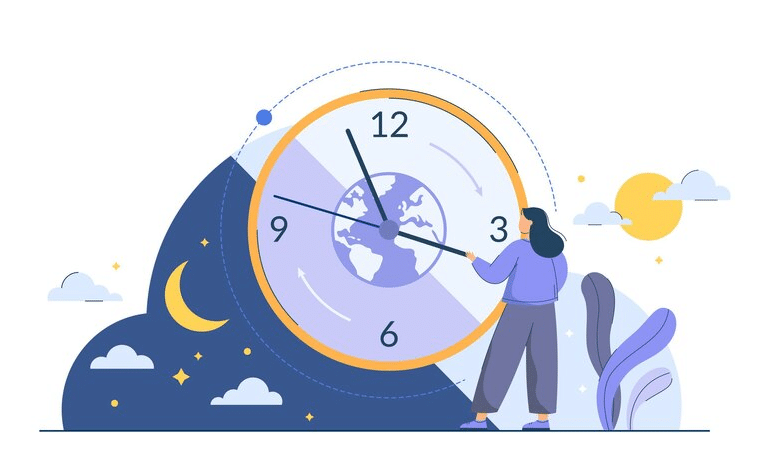
The circadian rhythm is a biological cycle of approximately 24 hours that regulates a variety of physiological and behavioral processes. Therefore, it represents the synchronization of the organism with the daily patterns of light and darkness in the environment.
Thus, several aspects of the body's functioning are influenced by the circadian rhythm, such as sleep and wakefulness patterns.
Melatonin production, for example, a hormone associated with sleep, is regulated by the circadian cycle, inducing drowsiness at night. Just like body temperature, which also follows a circadian pattern, reaching its lowest point during sleep and increasing during the waking period.
Even cognitive functions, such as attention, memory and alertness, show variations throughout the day due to the circadian rhythm.
The main environmental influence that synchronizes the circadian rhythm is light, especially natural sunlight. That is, the retina of the eyes contains light sensitive cells, transmitting information to a region of the brain that acts as a 'master clock' to regulate circadian rhythms.
Therefore, disturbances in the circadian rhythm, such as misalignment caused by abrupt time zone changes or night work, can have adverse effects on health, including sleep disorders, metabolic problems and general impacts.
What are chronotypes: discover yours!
Chronotypes refer to a person's natural inclination to engage in activities at specific times of the day, thus relating to their circadian rhythm. Thus, there are different chronotypes, classified as morning, evening or intermediate.
In this sense, the classification of each type depends on the time of day when a person feels most alert and productive. That is, morning people have power surges in the morning, while the evening ones reach their peak later in the day.
Therefore, knowing about this concept can be useful not only in terms of personal and professional organization, but also to optimize health and performance by recognizing and respecting the natural rhythms of each person's body. Knowing this, check out some types of chronotype below!
1. Morning
The morning chronotype refers to a natural preference for activity and peak alertness during the early hours of the day. People with this chronotype, also called larks, tend to experience greater vitality and morning energy, reaching their peak performance in the first few hours after waking up.
In this sense, the sleep quality is crucial for those with this chronotype, and often these people have a natural propensity to go to bed earlier. This is because they need to ensure adequate sleep to support their morning pattern.
In fact, exposure to natural light in the morning plays a crucial role in synchronizing the morning chronotype. Since sunlight activates the internal biological clock, helping to regulate the sleep and wake cycle of these people.
2. Evening
The evening, or 'owl', chronotype describes a natural preference for activities during the afternoon and evening hours. Thus, individuals with this chronotype tend to experience greater vitality and energy as the day progresses, reaching their peak performance in the later hours of the day.
Thus, people with an evening chronotype often find it easier to stay awake late at night and have a tendency to be more productive during this period. In fact, they may feel an increase in energy as the night approaches.
They often have a tendency to delay their bedtime in order to better align with their nighttime preferences. However, this can lead to challenges when daily obligations require waking up earlier than desired.
3. Intermediate
As the name suggests, the intermediate chronotype is characterized by the ability to adapt to different times throughout the day. Therefore, individuals with this chronotype have greater flexibility in relation to their activity preferences and energy peaks.
So they can feel alerts and productive at different times of the day, depending on the circumstances and environment. They even have the ability to adjust their sleep and activity patterns more easily.
However, it is important to note that although these people have greater versatility in terms of time, they may still have slightly morning or afternoon preferences.
That's it! Now that you understand what chronotypes are and have discovered yours, you now know at what times of the day you have the most energy. So, you can take advantage of discover new passions with these hobby tips and explore them in your free time. Enjoy!