Summer without heatstroke: complete guide to enjoying the sun without worries
With preventive measures and paying attention to your body's signals, it is possible to enjoy sunny days safely.
Advertisements
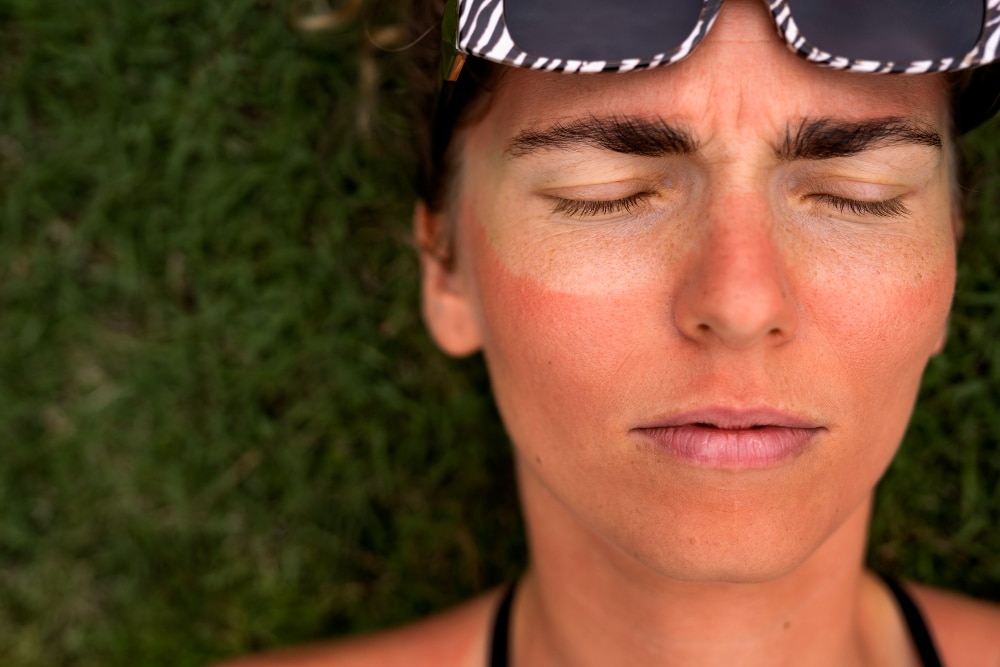
The sun, the source of life and energy for our planet, can also become a danger when its exposure becomes excessive. Heatstroke, a condition caused by the combination of intense heat and dehydration, is a real threat.
Therefore, heatstroke, although preventable, can have serious consequences. Understanding its mechanisms, symptoms and preventive measures is essential to enjoying the sun safely and responsibly. Find out more below!
What causes heat stroke?
Heatstroke occurs due to prolonged exposure to extreme heat, especially in environments with high humidity and inadequate ventilation. After all, the human body relies on mechanisms to maintain internal temperature within a safe range. When these mechanisms fail to compensate for excessive heat, body temperature rises dangerously.
In this way, the intense physical activities under the sun, long periods outdoors without adequate protection, dehydration and even inadequate clothing are common causes of heat stroke. Certainly, children, the elderly and people with pre-existing medical conditions are at greater risk.
Furthermore, lack of acclimatization to heat, such as in people who move to warmer regions or who begin to exercise in hot environments, also contributes to the occurrence of heat stroke.
In addition, alcohol consumption and medications that affect the body's ability to regulate heat can increase susceptibility to heat stroke. Ultimately, recognizing these causal factors and adopting appropriate preventive measures is crucial to avoiding this serious health problem.
What are the symptoms?
Heatstroke presents several symptoms that indicate the need for urgent medical intervention. This is especially true because a significant increase in body temperature, often above 40°C, is a clear sign of heatstroke.
In fact, the skin, which is usually hot and dry to the touch, reflects the failure of the body's natural cooling mechanisms, such as sweating. Then, the person may experience severe headaches, dizziness and nausea, accompanied by vomiting.
Mental confusion and disorientation are also symptoms, making it difficult to perform simple tasks and communicate coherently. In addition, the pulse accelerates, often accompanied by rapid, shallow breathing.
In severe cases, convulsions and loss of consciousness occur. Just like muscle cramps, caused by electrolyte imbalance, they are also common. In this sense, it is important to note that, when identifying one or more of these symptoms, quick action is crucial to avoid serious and potentially fatal complications.
What to do to improve?
To improve heatstroke, remove the person from the hot environment immediately and take them to a cool, airy place. Then, start cooling the body using cold compresses on the armpits, neck and groin, which are areas with high blood flow.
Additionally, use fans and spray cold water on the body to speed up the cooling process. You can also offer cold water or sports drinks for rehydration, as long as the person is conscious and can drink without choking.
If symptoms do not improve quickly or if there is loss of consciousness, provides emergency medical care without delay. While waiting for help to arrive, monitor body temperature and continue cooling efforts.
It is important to note that it is important to avoid drinking alcohol or caffeinated beverages, as they can worsen dehydration. Therefore, immediate attention and rapid cooling measures are essential to avoid serious damage to health.
Tips for enjoying the sun
Enjoying the sun safely requires some essential precautions. Therefore, use sunscreen with a protection factor appropriate for your skin type and don't forget to reapply every two hours or after swimming or sweating. In addition, wear wide-brimmed hats and sunglasses with UV protection to protect your face and eyes. Also, choose lightweight clothing, in light colors and fabrics that allow ventilation, covering as much skin as possible.
Obviously, hydrate yourself constantly by drinking water, even if you don't feel thirsty, to avoid dehydration. And, of course, avoid direct exposure to the sun during peak hours, between 10 am and 16 pm, as this is when ultraviolet radiation is most intense.
If possible, always choose shaded areas and remember to take regular breaks to rest in cool places. Also, eat light foods that are rich in water, such as fruits and salads, to keep yourself nourished and hydrated.
Additionally, check your skin regularly for signs of sunburn and apply soothing after-sun lotions if necessary. If possible, plan outdoor activities in the early morning or late afternoon to safely enjoy the sunlight.
There you have it! These practices help you enjoy the benefits of the sun while minimizing the risks of skin and health damage, such as sunstroke. Enjoy your visit and also check out some simple tips for a healthy lifestyle. Until later!