The Age of manipulation: discover what deepfakes are and protection tips!
Used to spread misinformation, compromise personal privacy and manipulate public opinion, deepfakes are a real threat.
Advertisements
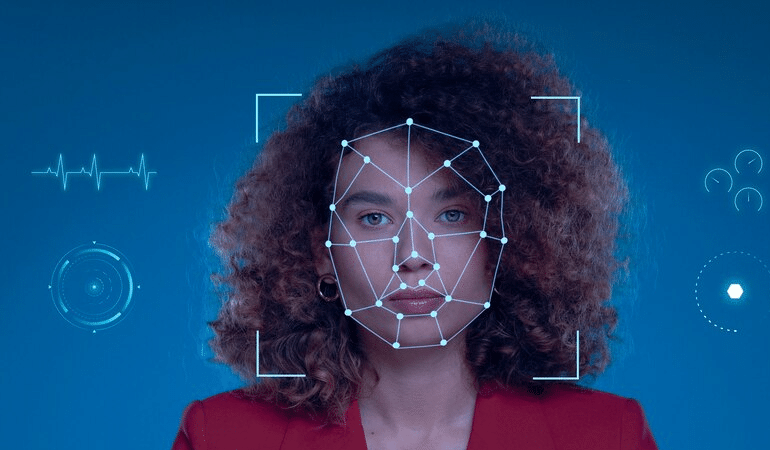
In recent years, deep learning technology has given rise to a growing concern: deepfakes. These manipulated content, created with artificial intelligence, have the power to confuse even the most attentive observer. This could make the technology an increasingly sophisticated tool for media manipulation.
But don’t worry, there are effective ways to protect yourself from the risks of deepfakes. So much so that in this post, we will share important tips for recognizing this biased content. But first, let’s take a look at what this technology consists of.
What are deepfakes?
Deepfakes are products of artificial intelligence that use deep learning techniques to produce fake videos that pass themselves off as authentic. Hence the name, 'Deep' refers to 'deep learning' and 'fake' means 'false'.
This technique generally involves swapping an individual’s face in a video using complex algorithms. However, it’s important to note that deepfakes aren’t limited to videos. They can also be used to create fake audio or manipulated still images.
Discover the main types of deepfakes
As we said, those who believe that deep fakes are limited to the manipulation of visual content are mistaken. The truth is that technology can intervene in different types of media, as we can see below!
Face Deepfake: This is the most common type of deepfake, in which an individual's face is replaced in the video. The altered content can then be used to produce videos or images of celebrities acting in ways they never acted or saying things they never said.
Voice Deepfake: in addition to videos, deepfakes can be fake audios. Here, speech synthesis technology is used to create audio recordings of someone who never uttered those words.
Full Body Deepfake: This is a more advanced version where not just the face but the entire body of an individual is replaced in the video or image. This can lead to content of people acting in ways they never acted.
Audio-visual deepfake: Here, the combination of audio and video is tampered with to create a complete deepfake, where both what is seen and what is heard is fake.
What are the risks of deepfakes?
Deepfakes have the power to deceive our eyes and ears, making them an increasingly sophisticated tool for media manipulation. The most common risk of these altered content is that they are used to trick people into believing they are seeing or hearing something real, which can lead to fraud and scams.
It is not surprising, in fact, that they are used for produce fake news or speeches by public figures, leading to disinformation on a large scale. This puts the integrity of the information we consume at risk.
In fact, they are powerful tools of political manipulation, which can harm democracy by spreading untruths and confusing voters.
Political deepfakes are unfortunately very common. In 2022, for example, the content of Jornal Nacional was adulterated by deepfake technology. The most shared content involved audio and video tampering, claiming that former president Jair Bolsonaro was leading the poll of voting intentions conducted by Ipec. However, the poll showed the opposite.
Now, the 2024 US election is the target of biased technology. One current case includes fake images created by artificial intelligence that show former President Donald Trump being detained.
In addition to political deepfakes, this technology can be used to create fictional adult content based on the images of real people. In this way, it threatens privacy and can cause significant moral damage.
Tips to protect yourself from deepfakes
Although the risks of deepfakes are high, as technology advances, measures are also emerging to identify fake videos. The first step to protection is always to check the source of the content you are consuming. So, if a video or audio seems suspicious, try to find out if it was shared by trusted sources.
Deepfakes have the power to persuade, but they can contain minor imperfections. So be on the lookout for any anomalies in the video or audio, such as harsh cuts, uneven colors, or inaccurate lip-syncing.
Now, when watching interviews or speeches on video, compare them to other reliable sources. If something seems out of place, do additional research to confirm the legitimacy of the content.
Last but not least, there are deepfake detection tools available that can help identify fake content. Microsoft Video Authenticator and Deepware are good solutions against this threat.