
Types of headphones: advantages and differences between the most commonly used models in everyday life
There are several options, each with its own characteristics, advantages and disadvantages.
Advertisements
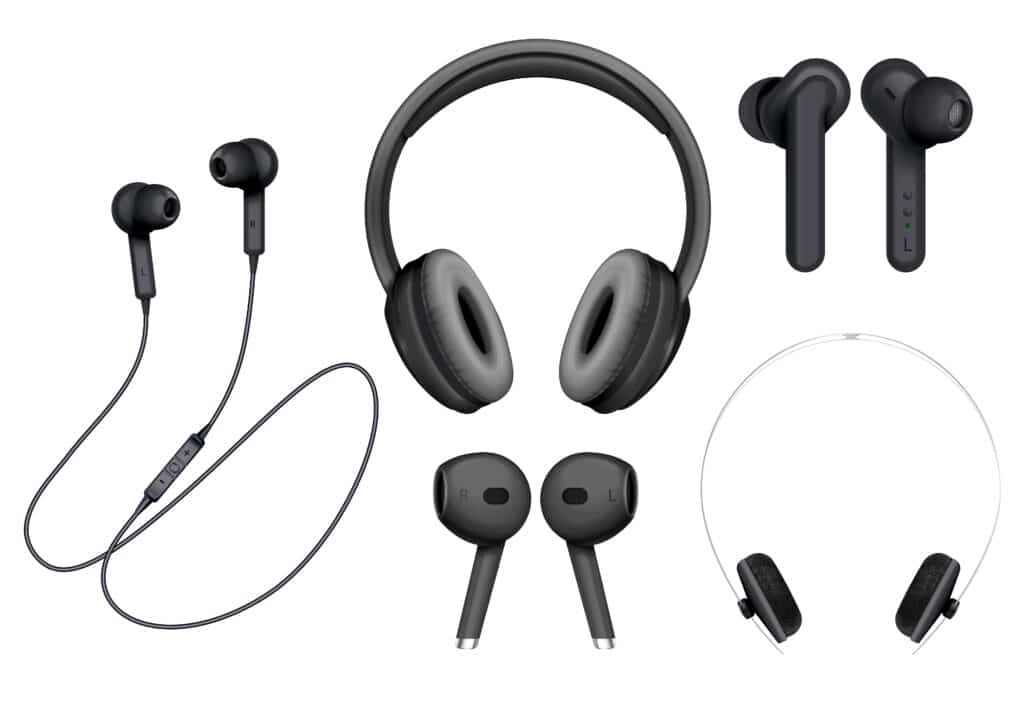
When you start looking for the perfect model, you'll soon realize there are many different types of headphones on the market. Each one offers a different proposition, whether in terms of comfort, sound quality, or ease of use. Understanding how each option works can help you avoid making the wrong purchase and facing headaches later.
Additionally, some types of headphones are better suited to certain situations, such as workouts, long calls, or travel. This makes a difference in your daily life, especially when headphones become part of your routine. So, it's worth knowing the main features before choosing yours.
1. In-ear headphones
In-ear headphones, also known as 'in-ear' headphones, are those that fit directly into the ear canal. You know, those tiny ones you stick in your ear? Well, those are the ones. Here, their big idea is their compact size and ability to isolate external sound.
In fact, they come with silicone or foam eartips of different sizes to ensure a snug fit in any ear. This seal is great for those who want to focus on music or podcasts without being disturbed by street or office noise.
Plus, because they're small and lightweight, they're super easy to carry anywhere. And, of course, there are wired and wireless models to suit all tastes and needs. Some more modern models even come with extra features like active noise cancellation and water resistance.
2. Earphones (earbuds)
Earbuds, also known as in-ear headphones, are those models that fit on the outer part of the ear. Remember those earbuds that came with older cell phones? Well, these are them! The idea is for them to rest in the ear, without entering the ear canal. Many people find these earbuds more comfortable, especially for long-term use.
An important point is that, by not sealing the ear canal, they let more ambient sound through. So, this can be beneficial if you need to be aware of your surroundings, such as at work or on the street. If you want to isolate yourself to listen to music with better quality, they might not be the best option.
It's also worth noting that the audio quality can be slightly lower compared to other types of headphones, but this varies greatly from model to model. Overall, they're a practical and comfortable option for everyday use.
3. On-ear headphones
Over-the-ear headphones, also called on-ear headphones, rest over the ears without completely covering them. They're generally more compact and lightweight than over-the-ear models, making them much easier to store in a backpack or bag. Some models even fold flat, which is super convenient.
One thing worth noting is that they're usually cheaper. After all, their construction is usually simpler, using a lot of plastic. However, that doesn't mean they're bad, as there are plenty of good options on the market.
The cool thing about on-ear headphones is that they are an intermediate optionThey're not as small as in-ear headphones, but they're also not as large as over-ear headphones. This undoubtedly makes them a good choice for those looking for a balance between portability and sound quality.
However, because they don't isolate external sound as much as full-ear models, you may need to turn up the volume a bit in noisy environments. And, depending on the model, wearing them for too long can cause some discomfort in your ears, as they keep pressing down.
4. Over-ear headphones
Over-ear headphones, also known as circumaural headphones, are those that completely enclose the ears. You know, they create a kind of cup around the ear? Many people prefer these because the sound isolation is much better.
In fact, one of the good things about these headphones is that they generally offer superior sound quality. And that's because the design allows for larger, more powerful drivers. This means you can hear more detail in your music, from the deepest bass to the clearest highs.
Another advantage is comfort. Because they don't put direct pressure on your ears, you can wear them for hours without feeling too uncomfortable. Sure, some models can be a bit heavy, but overall, they're quite comfortable, especially if you work while listening to music or take long calls.
However, over-ear headphones tend to be larger and less portable. You can't simply toss them in your bag like in-ear headphones. And, depending on the brand and features, they can be quite expensive. But if you prioritize sound quality and comfort, they may be worth the investment.
That's it! Now that you know the different types of headphones, you can choose the ideal model with more confidence and make the most of every detail. Whether you're listening to music, gaming, or working, the right headphones make all the difference. Since you've made it this far, check out some interesting facts about them. airplane mode that will surprise you. See you later!