
Meditation for sleep: 7 techniques to calm the mind
Discover simple and effective meditation techniques to calm your mind, relax and ensure a peaceful night's sleep.
Advertisements
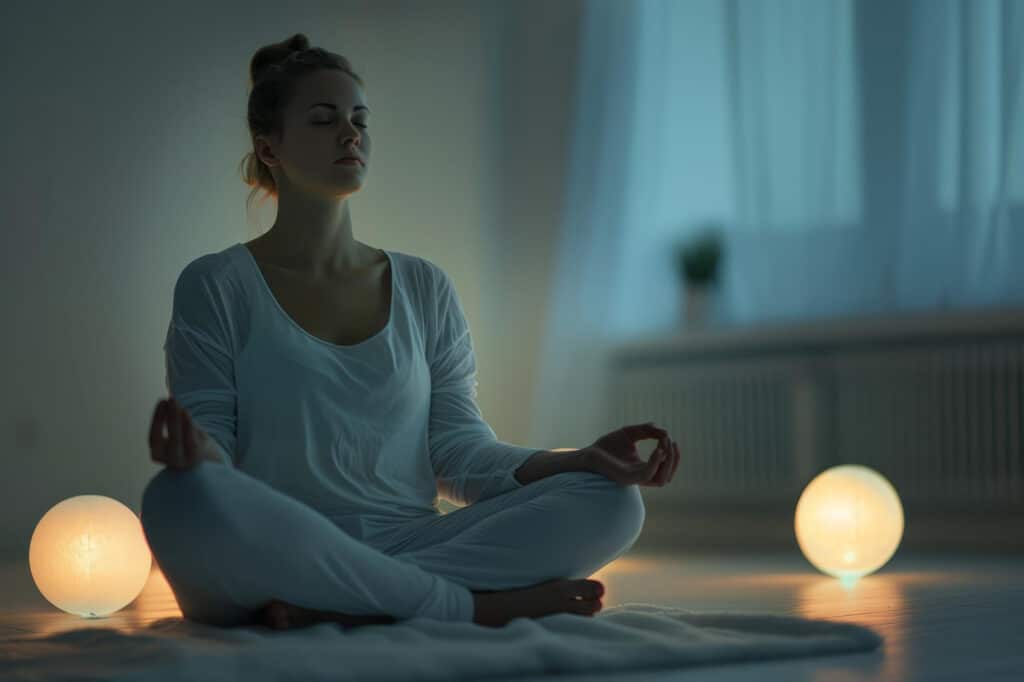
In an increasingly hectic world, getting a good night's sleep is essential to our health and well-being. Many people have trouble sleeping due to stress, anxiety and the incessant thoughts that invade their minds when they go to bed.
Therefore, meditation for sleep is a powerful way to help calm your mind, relax your body, and promote deep, restful sleep. In this post, we share 7 meditation techniques that you can incorporate into your nighttime routine to improve the quality of your sleep. So, keep reading to find out!
1. Guided meditation for sleep
Guided meditation is an effective technique for those who have difficulty quieting their minds before going to sleep. By following the instructions of a guide, you are led into a state of deep relaxation, focusing on aspects such as breathing, visualizing peaceful scenes or repeating mantras.
This practice helps to divert attention from stressful thoughts and create a mental environment conducive to sleep. In addition, nowadays there are several free meditation apps that can help you.
2. Body scan
Body scan meditation is a technique in which you focus your attention on different parts of your body, consciously relaxing each one. Lying in bed, start at your toes and slowly move up to your head, noticing the sensations in each area and releasing any tension that has built up.
This practice not only promotes the physical relaxation, but it also helps to ward off unwanted thoughts, contributing to a smooth transition to sleep.
3. 4-7-8 Breathing
The technique of breathing 4-7-8, developed by Dr. Andrew Weil, is a simple way to induce relaxation. To practice it, inhale deeply through your nose for a count of 4, hold your breath for 7 seconds, and exhale slowly through your mouth for a count of 8. This breathing sequence helps slow the heart rate and calm the mind, preparing the body for rest.
4. Creative visualization
Creative visualization is a meditation technique that involves imagining scenes or places that bring a sense of peace and tranquility. It could be a deserted beach, a field of flowers, for example, or any other setting that evokes relaxation. By focusing on these images, you can shift your focus away from everyday problems, calming your mind and creating a mental environment that is conducive to sleep.
5. Yoga nidra
Yoga Nidra, also known as “yogic sleep,” is a guided meditation technique that takes you into a deep state of relaxation while remaining conscious. During the practice, you are guided through different stages of physical and mental relaxation, which helps release tension and promote a more restorative sleep. This technique is particularly useful for those who suffer from insomnia or sleep disorders.
6. Meditation with mantras
Repeating mantras is an ancient practice that can be extremely effective in calming the mind before bed. Choose a short, positive word or phrase, such as “peace” or “I am at peace,” and repeat it in your mind for a few minutes. Repeating the mantra helps to banish negative thoughts and create a state of serenity, making it easier to fall asleep.
7. Mindfulness for sleep
Finally, the practice of Mindfulness, or mindfulness, is a powerful technique for calming the mind and improve sleep quality. As you lie down, focus on your breathing or the sensations in your body, without judgment or trying to change how you feel. This approach helps to anchor your mind in the present, preventing it from wandering to anxious thoughts about the future or regrets about the past.
To get the best results from meditation for sleep, it’s important to incorporate it as part of your nighttime routine. Taking a few minutes before bed to practice one of the techniques mentioned can make a big difference in the quality of your sleep.
Remember that, like any other practice, meditation requires consistency and patience. Over time, you will notice that your mind calms down more easily and that sleep comes more naturally.
Experiment with different approaches and find out which technique works best for you. The important thing is to find a practice that helps you relax and mentally prepare for a restful night. Check out this other post about different chronotypes and find out which one is yours!